The red carpet is an elevation, certainly, but it is also a quiet battleground of composure
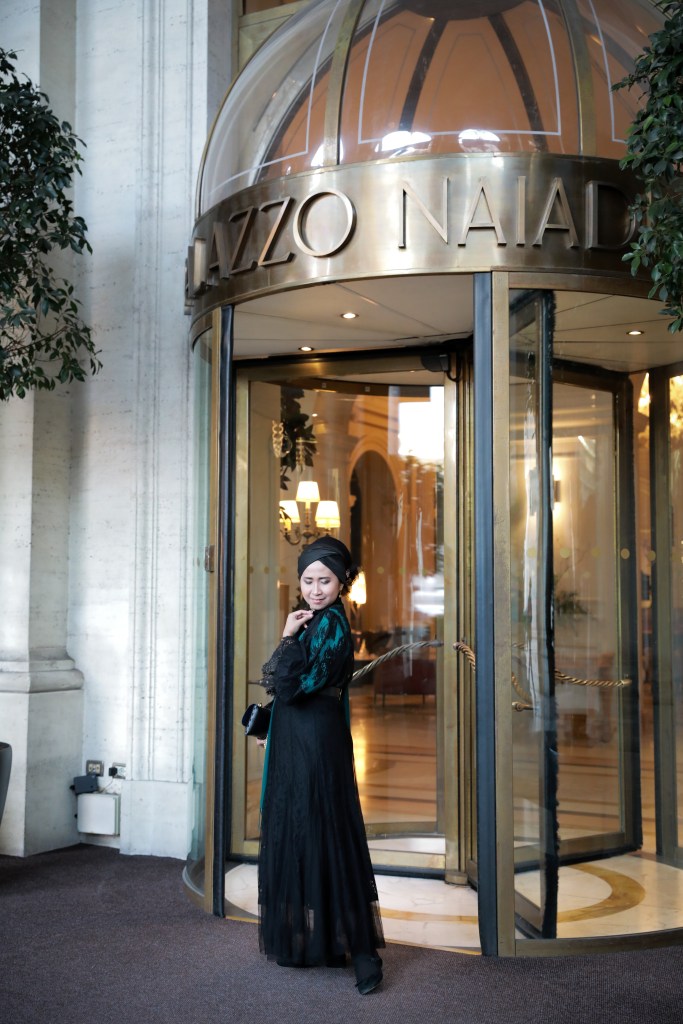
One becomes accustomed to the particular roar of the gallery and the muffled hush of the heavy crimson carpet. That familiar voltage that marks the beginning of another season’s obligations. There is, of course, a quiet exhaustion in the ritual, but after a while the practiced tilt of the chin and the smile for the flash become second nature. We learn the unspoken choreography of the step-and-repeat: the precise distance, the weight of structured lace, the instinctive awareness of the lens so that the silhouette remains intact.
The red carpet is less a walk and more a negotiation. To the uninitiated, it is a blur of glamour. But for those who have crossed it often enough, it is a series of marks to be hit with composure. We recognise the fragrance that lingers in the air, the way the light catches a necklace, the particular urgency of a publicist’s hand at the elbow. No matter what, we endure with a smile, knowing that the true ceremony begins only once the theatre doors have closed.
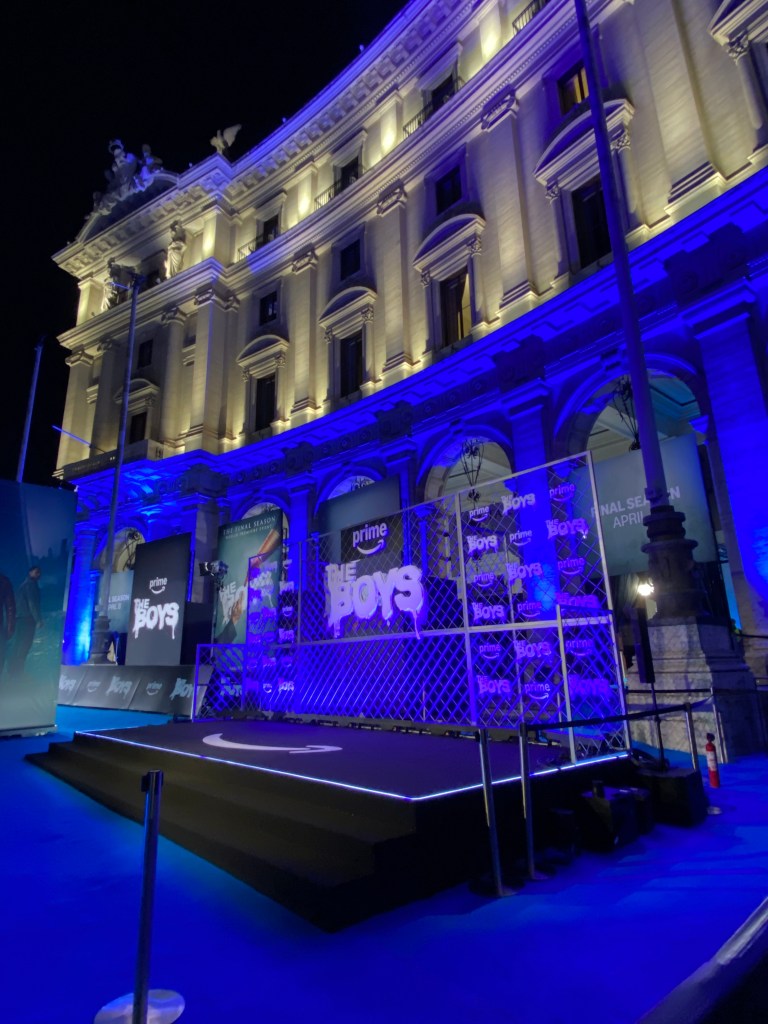
The red carpet is an elevation, certainly, but it is also a quiet battleground of composure. One moves with the knowledge that every ripple of lace, every turn of the shoulder, every pause before the cameras carries intention. It is, at its heart, an act of honouring the craft of the house and the guests in attendance. And perhaps also toward those gathered outside of the velvet ropes, watching for a glimpse of elegance.
While graceful, there is a delicious irony in the fact that the more effortless we appear, the more we are actually holding our breath.
For those observing, the red carpet offers a form of escape. For those thirty minutes, the piazza is no longer a common thoroughfare. The street is elevated by the ritual into something sacred and historical. As the guests disappeared behind the curtains, what remains is the image: a small, polished trace of the evening, left behind like proof that beauty passed through.
 Shima Trisna
Leave a comment