“My real profession is medicine, but I sometimes write (music) in my spare time.”
– Anton Chekhov
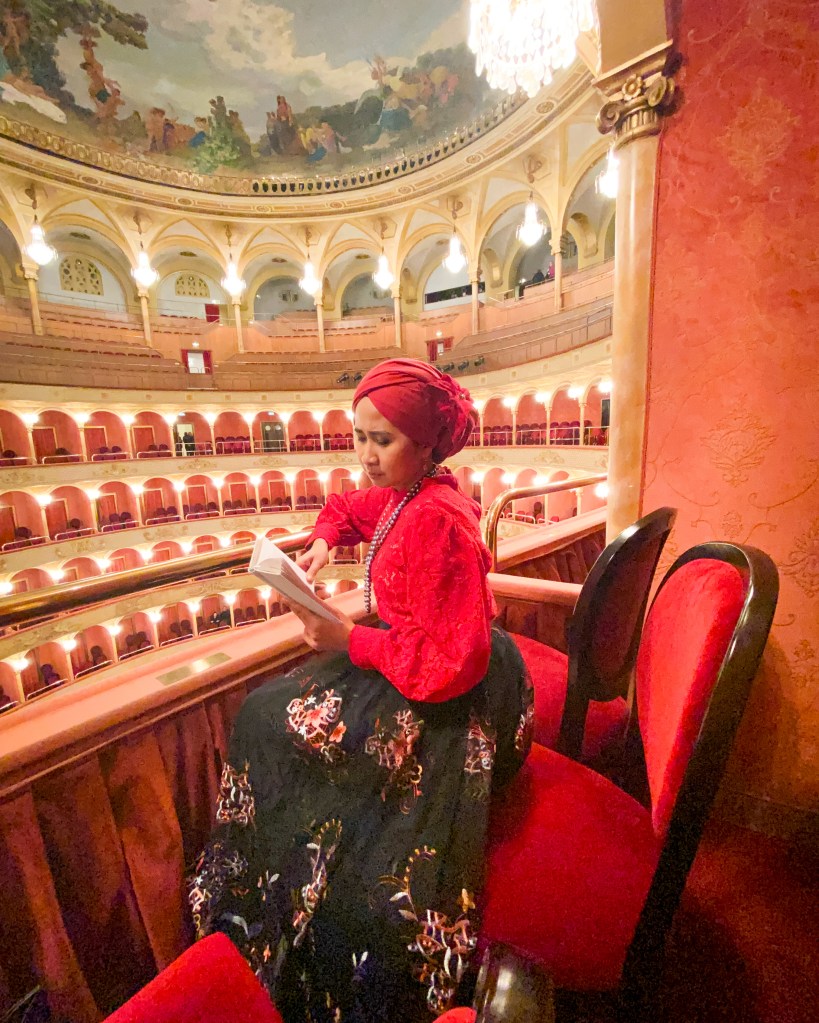
An artist paints in a studio; an academic works at the desk. Both work in silence, slightly out of sync with the outside world. Isolation is not the enemy; more often, it becomes a quiet companion in the journey. With every brushstroke and pen-mark, the mystery of the world is delicately unfolded—one painting, or one paper, at a time. At first glance, they belong to different domains, yet they share similar ways of engaging their subjects: creative thinking, analysis, and problem-solving. Academic work tends to be analytical and structured, artistic work experiential. Yet the degree of risk and exploration required to uncover something new feels strikingly comparable.
Anton Chekhov once remarked, almost casually, “My real profession is medicine, but I sometimes write in my spare time.” The line carries a certain lightness, but also a truth: identity is rarely singular. Many who work in scholarship carry an artistic temperament; many artists think with the discipline of scholars. The borders between the two are more permeable than we admit.
Both artist and academic are often moved by devotion to their subject and a desire to pursue excellence—whether that results in a scientific theory or a painting. Regardless of medium—laboratory research or artistic practice—both demand rigour, patience, and consistent effort to refine one’s craft and reach meaningful conclusions.
These forms of labor are slow by nature. They require uncertainty, revision, and long stretches of private thinking. Yet they now find themselves navigating an environment that moves more quickly than they were shaped to move. There is a growing expectation that artists and academics remain visible—not only in their results, but in their unfolding. The process itself is asked to perform and narrate.
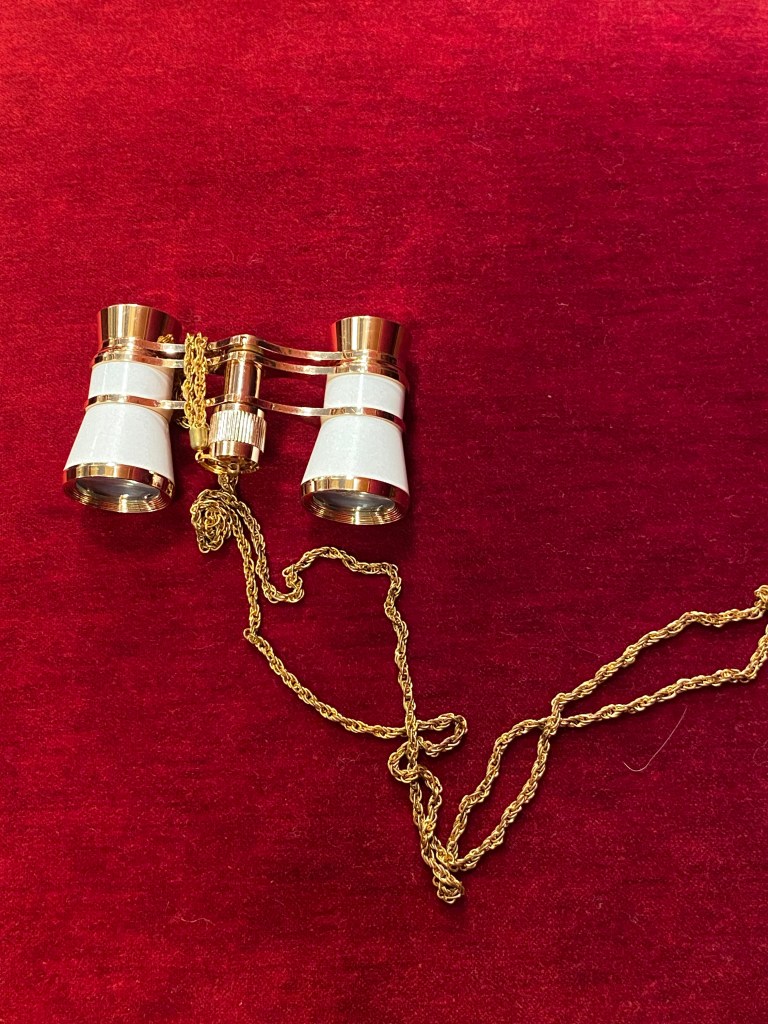
David Hume reminds us that our knowledge comes from sensory experience, and that future events mirror the past. When time for reflection becomes compressed, something subtle shifts. Incubation shortens. Attention disperses. A particular fatigue emerges—not from thinking itself, but from being asked to describe thinking before it has settled.
It can feel like being interrupted mid-thought and asked to summarise what one has not yet fully understood.
There was once a rhythm that allowed for withdrawal: protected studios, patronage, intimate intellectual salons. These were not indulgences, but necessary intervals. They allowed thought to ripen before it was presented. They made space for episodic visibility, rather than continuous narration.
Artists and academics are not unfamiliar with effort. What they share, perhaps, is the quiet discomfort of being asked to move quickly while thinking slowly. Certain works that have the capacity to elevate human understanding require time to gather themselves. Their slowness is not reluctance; it is fidelity to their nature.
To resist haste is not to reject the present moment. It may simply be to honour the internal tempo that serious work demands. And perhaps what they ask from us is not constant exposure, but the grace of temporary disappearance.
 Shima Trisna
Leave a comment